

Car Glass Protection and Rain Repellents: What You Should Know Before Buying
Driving in Indian monsoon isn’t just inconvenient.
It’s risky.
Heavy rainfall, poor drainage, splashing trucks, foggy windshields — visibility drops within seconds.
That’s where rain-repellent glass treatments come in.
But not all glass protection products work the same way.
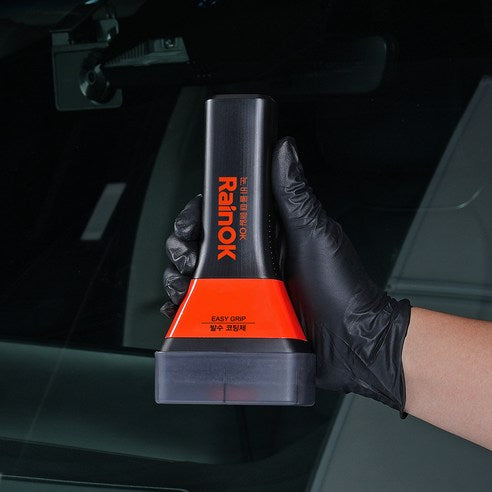
Before buying, here’s what you need to understand about water-repellent coatings like the RainOK series — and how they actually improve safety.
What Is a Rain Repellent Treatment?
A rain repellent is a liquid coating applied to windshield glass.
Once applied, it creates:
-
A hydrophobic layer
-
Water-beading effect
-
Faster rain runoff
-
Reduced water sticking
Instead of rain spreading across the glass, it forms droplets and slides off — especially at driving speed.
The result?
Clearer visibility during rainfall.

Why Rain Repellents Matter in Indian Driving Conditions
Indian monsoons bring:
-
Sudden heavy showers
-
Mud splashes from vehicles
-
Poor street lighting
-
Slow-moving traffic
Standard wipers alone may not be enough.
Rain repellents:
-
Reduce dependency on constant wiper use
-
Improve clarity at highway speeds
-
Enhance night-time visibility
-
Reduce glare from oncoming headlights
Better visibility = faster reaction time.
And that directly impacts safety.
How Rain-Repellent Coatings Work (Simple Science)
Glass normally allows water to spread.
Rain-repellent treatments alter surface tension.
They create a microscopic protective layer that:
-
Reduces water adhesion
-
Encourages water to bead
-
Increases runoff speed
At 40–60 km/h and above, water often clears automatically without heavy wiper action.
This reduces streaking and improves clarity.

Key Benefits of Using Products Like RainOK
1. Improved Wet-Weather Visibility
Water beads and slides off instead of forming blurry sheets.
Especially helpful on highways.
2. Reduced Wiper Strain
Less water sticking means:
-
Less friction
-
Smoother wiper movement
-
Reduced wiper wear
3. Better Night Driving During Rain
Rain + glare = dangerous combination.
Hydrophobic coatings reduce light distortion caused by water film.
4. Easier Cleaning
Mud, dirt, and insects stick less aggressively to treated glass.
Future cleaning becomes easier.
Types of Glass Protection Products
Before buying, understand the difference.
A. Basic Water Repellents
-
Short-term protection
-
Easy application
-
May last a few weeks
Best for seasonal use.
B. Long-Lasting Glass Coatings
-
Stronger bonding
-
Longer durability
-
More resistant to repeated washing
Better for heavy monsoon regions.
C. Glass Cleaners with Water Repellent Additives
-
Combine cleaning + light hydrophobic effect
-
Convenient
-
Mild protection
Ideal for maintenance between full treatments.
How Long Do Rain Repellents Last?
Depends on:
-
Product quality
-
Weather exposure
-
Frequency of wiper use
-
Car wash chemicals
Typical duration:
-
4 to 8 weeks for standard applications
-
Longer for premium coatings
Frequent heavy rain and wiper use may reduce lifespan.
How to Apply Rain Repellent Properly (Step-by-Step)
Proper application determines performance.
Step 1: Clean the Glass Thoroughly
Use a glass cleaner to remove:
-
Dirt
-
Oil film
-
Water spots
Glass must be completely dry.
Step 2: Apply the Rain Repellent
Use applicator or cloth.
Apply evenly in circular motion.
Step 3: Let It Dry Slightly
Allow hazy film to form.
Step 4: Buff with Clean Microfiber Cloth
Polish gently until glass becomes clear.
Step 5: Test with Water
Spray water and observe beading effect.
Important:
Avoid applying under direct hot sunlight.
Best applied in shade.
Common Mistakes to Avoid
-
Applying on dirty glass
-
Skipping buffing stage
-
Using old cloth
-
Applying uneven layers
-
Expecting instant results without curing
Application quality affects performance more than brand name.
When Should You Reapply?
Reapply when:
-
Water stops beading
-
Wipers start dragging
-
Visibility reduces in rain
During heavy monsoon, checking monthly is recommended.
Is It Safe for All Cars?
Yes — rain repellents are designed for:
-
Windshields
-
Side windows
-
Rear glass
Avoid applying on:
-
Interior glass surfaces
-
Plastic trims
Always follow product instructions.
Who Should Definitely Use Rain Repellents?
-
Highway drivers
-
Monsoon-region drivers
-
Night drivers
-
Drivers in heavy traffic cities
-
Anyone relying on daily commute in rainy season
- If you drive during heavy rainfall regularly, this is a smart safety upgrade.
Final Thought
Most drivers focus on engine maintenance.
Few think about visibility enhancement.
But in heavy rain, visibility becomes your most critical safety factor.
A good rain-repellent treatment:
-
Improves clarity
-
Reduces glare
-
Assists wipers
-
Enhances confidence
- It’s a small upgrade — but during monsoon, it makes a big difference.
Drive prepared. Not reactive.
FAQs
Do rain repellents replace wipers?
No. They enhance visibility and reduce water sticking but do not replace wipers.
Can I apply rain repellent myself?
Yes. Most products are designed for easy DIY application.
How long does it last?
Typically 4–8 weeks depending on usage and weather.
Is it safe for tinted glass?
Generally yes, but always follow product instructions.


Leave a comment
This site is protected by hCaptcha and the hCaptcha Privacy Policy and Terms of Service apply.